
A flagship is usually photographed at the moment when it is least tested. The products are precisely arranged. The surfaces are untouched. Every light is adjusted. Nothing has yet been moved by customers, operations, new collections or the unexpected demands of daily use. But opening day is not the final test of a flagship. It is the beginning of one. This week, On opened its first UAE store at Mall of the Emirates in Dubai. The opening provides a timely reason to revisit a question Specific Generic explored through its earlier work with the brand, including On’s first global flagship at 363 Lafayette Street in New York: What should a flagship leave behind?
A flagship is a working hypothesis
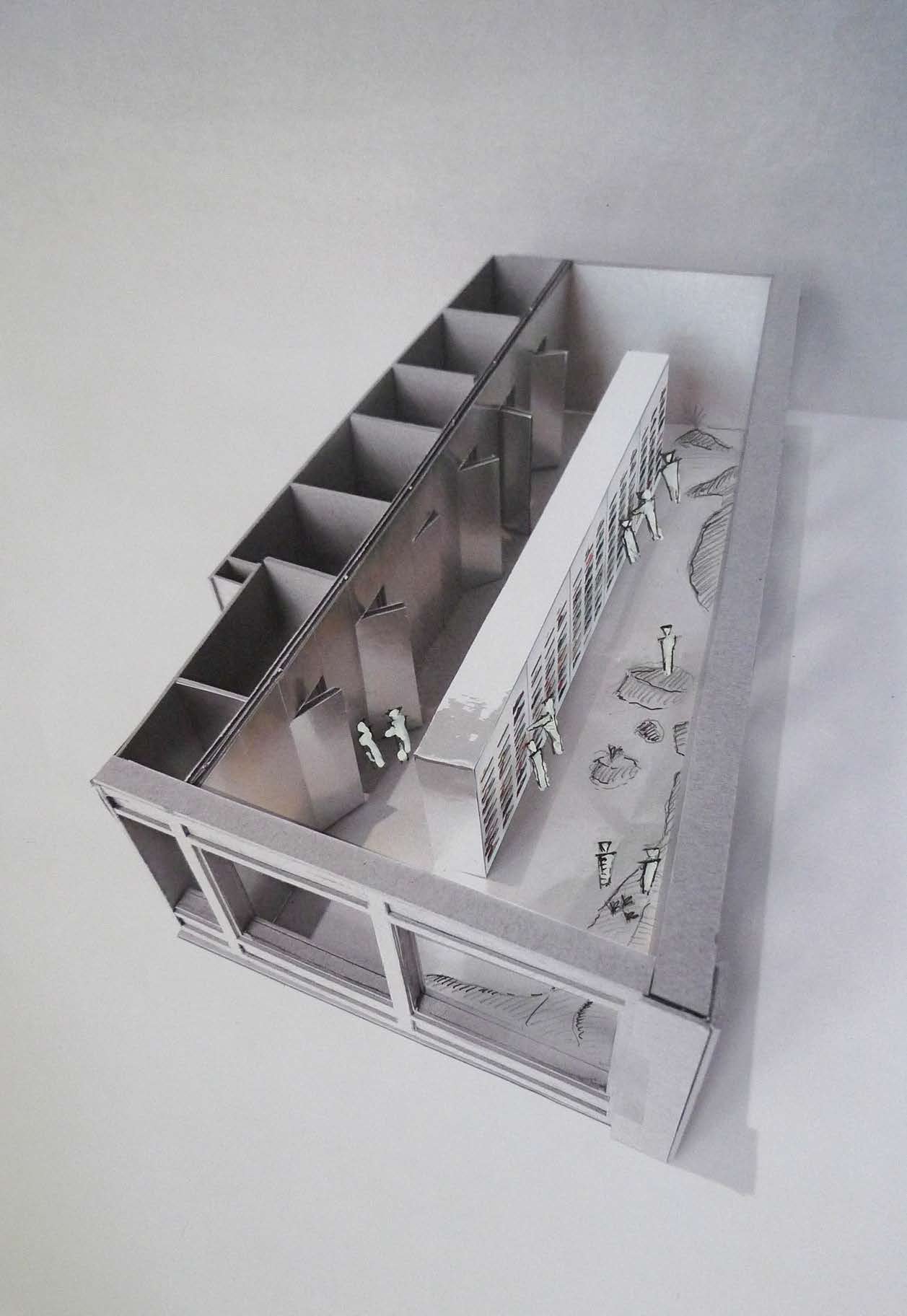
A flagship is often described as the fullest expression of a brand. That is only partly true. Brands change. Products change. Customers learn. New markets introduce different buildings, behaviours and expectations. A store that only expresses what the brand already knows begins ageing as soon as it opens. A more useful flagship is a working hypothesis about what the brand could become. It tests how a digital brand becomes physical. It asks what customers need to understand, which behaviours the environment should encourage and which parts of the experience must remain stable when everything around them changes. Its value is not limited to one address. It creates knowledge that can travel.
Product education should be spatial
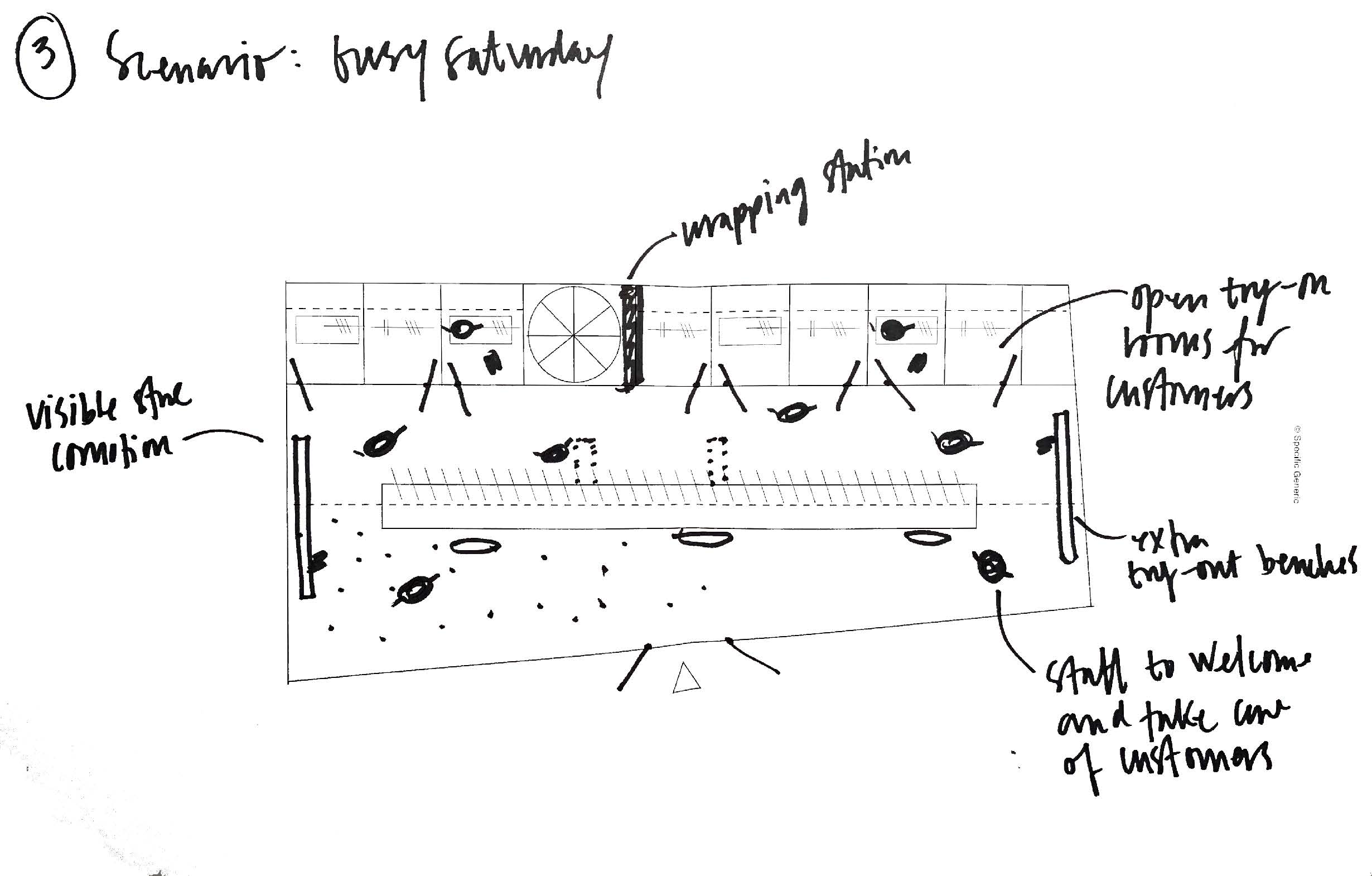
Technical products often arrive with too much information and too little understanding. Specifications, diagrams and claims may explain performance, but explanation is not the same as experience. The physical environment can make technical information intuitive by connecting it to movement, comparison and discovery. For On New York, product education was treated as part of the customer journey rather than an additional layer of signage. Display, media, analysis and movement worked together so the store could help customers understand the product through use. This changes the role of architecture. The store no longer acts simply as a container for stock. It becomes an interface between product knowledge and human behaviour.
Systems outperform fixed scenes

A photograph rewards the perfectly composed moment. Retail has to survive everything that follows it. Collections change. Product quantities move. Campaigns arrive. Teams discover better ways of working. A fixed visual composition may look complete on opening day while becoming increasingly difficult to operate. A retail system behaves differently. For New York, the development work included modular shelves, hanging displays, material studies and adaptable product tools. The purpose was not to make every future display identical. It was to establish a coherent logic within which change could happen. The system gives the brand consistency without requiring repetition. This distinction becomes more important as a retail network grows. A scalable concept should make it clear which principles carry the identity and which elements should respond to the city, building and customer.
Consistency is not sameness


A global retail concept fails when it becomes a kit of parts applied without judgement. Cities do not offer identical conditions. A vertical site in Tokyo creates a different journey from a street-level store in Los Angeles. London invites different material conversations. Zürich presents different operational and architectural circumstances. The aim is not to force each location into the same image. The aim is to preserve a recognisable intelligence: how products are encountered, how movement is organised, how technology is understood, how material supports the brand and how display changes without losing coherence. The strongest retail systems establish rules for adaptation.
The invisible half of experience


Some of the most consequential design decisions rarely appear in the hero image. Storage. Power. Wrapping. Lighting access. Fixture tolerances. Service positions. Product changes. Staff movement. The relationship between technology and maintenance. These decisions determine whether the concept remains convincing after the opening photographs are taken. The visible experience and the operational experience cannot be separated. A beautiful gesture that makes the store harder to use is not a complete design idea. The system must work for the customer, the product and the people operating it.
What should remain?
The most useful question for an expanding brand is not: how do we reproduce the flagship? It is: what did the flagship teach us? Which ideas made the brand easier to understand? Which behaviours did the environment support? Which components adapted well? What should remain recognisable, and what should be reconsidered for each new place? A flagship should give the organisation a clearer way to answer those questions. The store opens once. The system should keep working.
Project note
On New York, 363 Lafayette Street, opened in December 2020 as On’s first global flagship.